
New image of the moon could impact the future of humanity.

NASA’s Artemis II mission
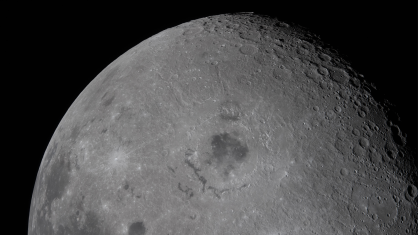
On April 6, 2026, a new discovery surprised scientists and space exploration enthusiasts. During recent observations of the lunar surface, two new craters were identified, providing new information about the Moon’s evolution.
The craters were named Carroll and Integrity, and are already being studied by specialists.
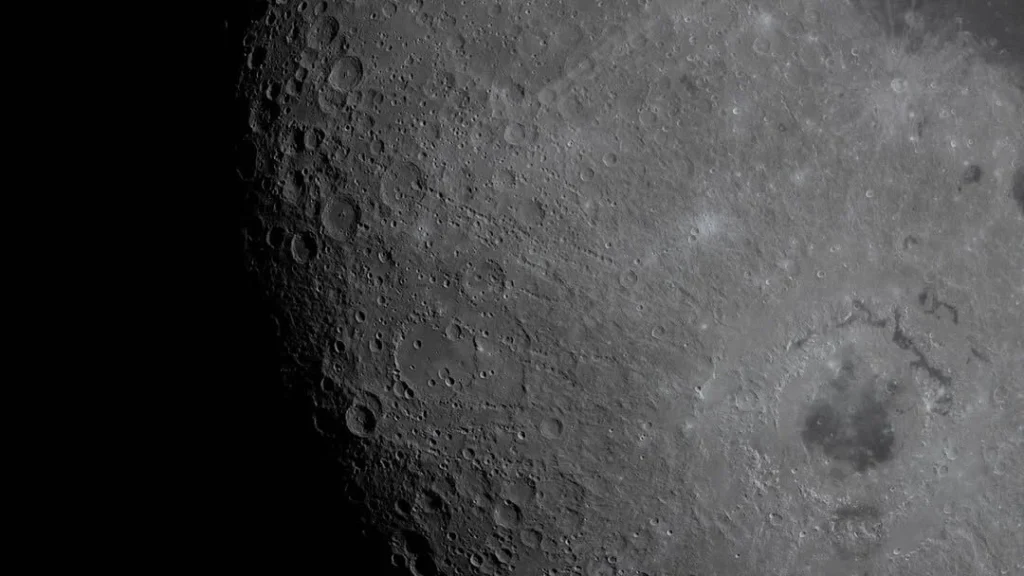
• Deceased wife of Commander Reid Wiseman
• Located between the near and far sides of the Moon
• Can be seen from Earth during some lunar phases
• It was an emotional moment during the mission
Why are these findings important?
These two new craters could:
• Help future space missions
• Improve knowledge about the Moon
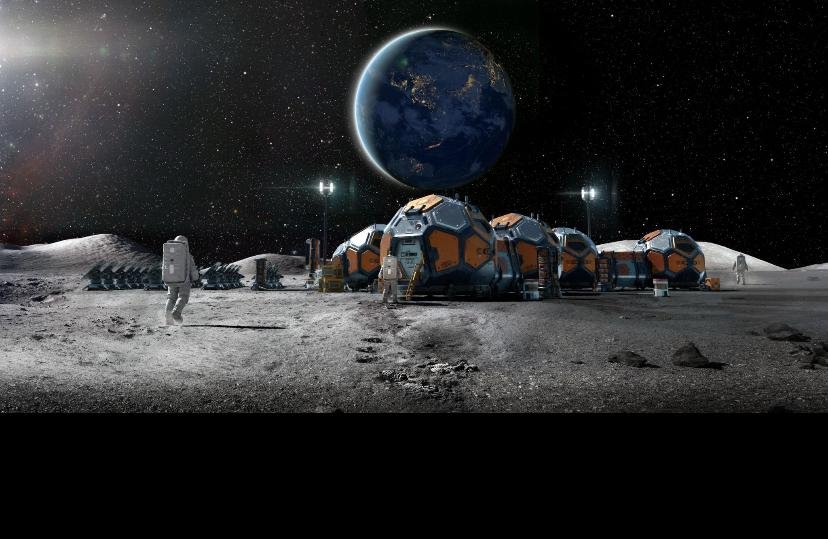
• Assist in the construction of lunar bases
• Advance space exploration
The Moon has once again become a major focus of space exploration, especially with new missions planned for the coming years.
How might this impact the future?
• It may indicate new scientific opportunities
• It helps to better understand the solar system
• It increases interest in space exploration
• It may accelerate manned missions
Mission Artemis II
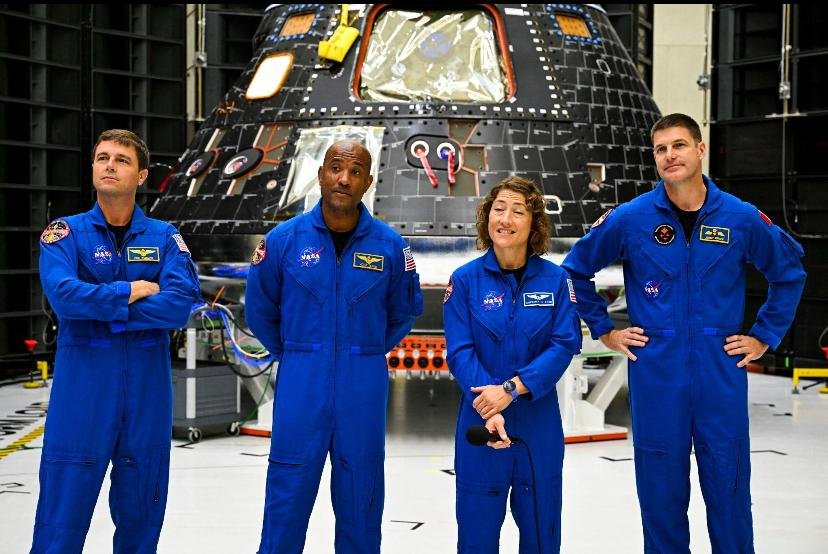
The Artemis II mission is one of the most important missions of the new era of space exploration. This mission will mark the return of astronauts to lunar orbit, something that hasn’t happened since 1972.
The Artemis II mission aims to:
• Test the Orion spacecraft with astronauts
• Flyby of the Moon
• Prepare for future manned missions
• Plan for human return to the lunar surface
This mission is considered an essential step towards future lunar bases and the exploration of Mars.
According to experts, the Artemis II mission could pave the way for:
• Permanent bases on the Moon
• More advanced space exploration
• New space technologies
• International partnerships
Could the moon have water?
One of the biggest recent discoveries is the possible presence of water on the Moon.
Scientists believe that ice exists in regions near the lunar poles, especially in areas that never receive sunlight.
This discovery is very important because water can be used to:
• Produce oxygen
• Produce space fuel
• Sustain astronauts
• Build lunar bases
The presence of water makes the Moon much more viable for future human missions.
New NASA discovery
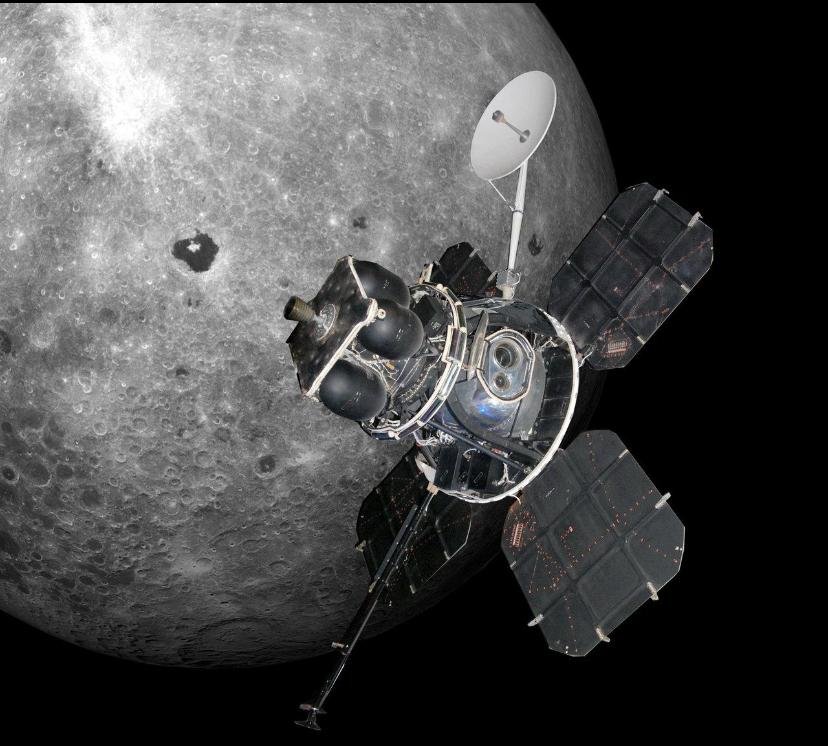
In recent years, NASA has made several important discoveries:
• New lunar craters
• Areas with lunar ice
• Recent changes to the surface
• Ideal regions for lunar bases
These discoveries help us better understand:
• The formation of the Moon
• The evolution of the solar system
• Possible natural resources
• Future space missions
NASA continues to send probes and satellites to study the Moon with greater precision.
Conclusion – The Future of Lunar Exploration
New discoveries on the Moon show that space exploration is entering a new historical era. With missions like Artemis II, the possible presence of water on the Moon, and the planning of permanent lunar bases, humanity’s future may be closer to space than ever before.
These discoveries could transform:
• Space exploration
• Science and technology
• The future of humanity
• Human presence beyond Earth
The Moon is once again becoming one of the major focuses of global scientific exploration and could become the first step towards space colonization.
What once seemed like science fiction is now becoming reality.