When an airplane reaches approximately 10,000 feet (about 3,000 meters), it enters a more stable phase of flight. This moment marks the end of the initial climb, considered the most critical part of the journey.
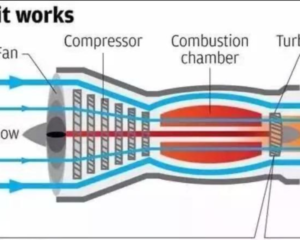
From this altitude, the engines reduce their maximum takeoff power and operate in a more efficient mode, reducing fuel consumption and component wear.
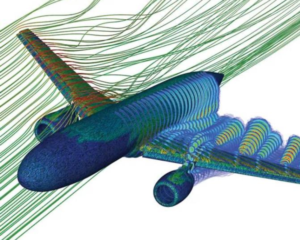
It is also at this point that the aircraft assumes a more optimized aerodynamic configuration, with flaps fully retracted, allowing for better performance and less air resistance.
For passengers, this change is noticeable. The seatbelt sign is usually turned off, allowing greater freedom of movement, and in-flight service can begin. The cabin environment becomes quieter and more comfortable.